

- ECOBOND® Treatment Technology
Advanced Treatment for Heavy Metals
Stabilizing Contaminated Materials. Supporting Your Next Step.
ECOBOND chemically stabilizes lead and other heavy metals in contaminated materials to reduce leaching. MT2 combines this treatment technology with testing and field expertise to help you evaluate disposal options, manage affected soil and move remediation projects forward.
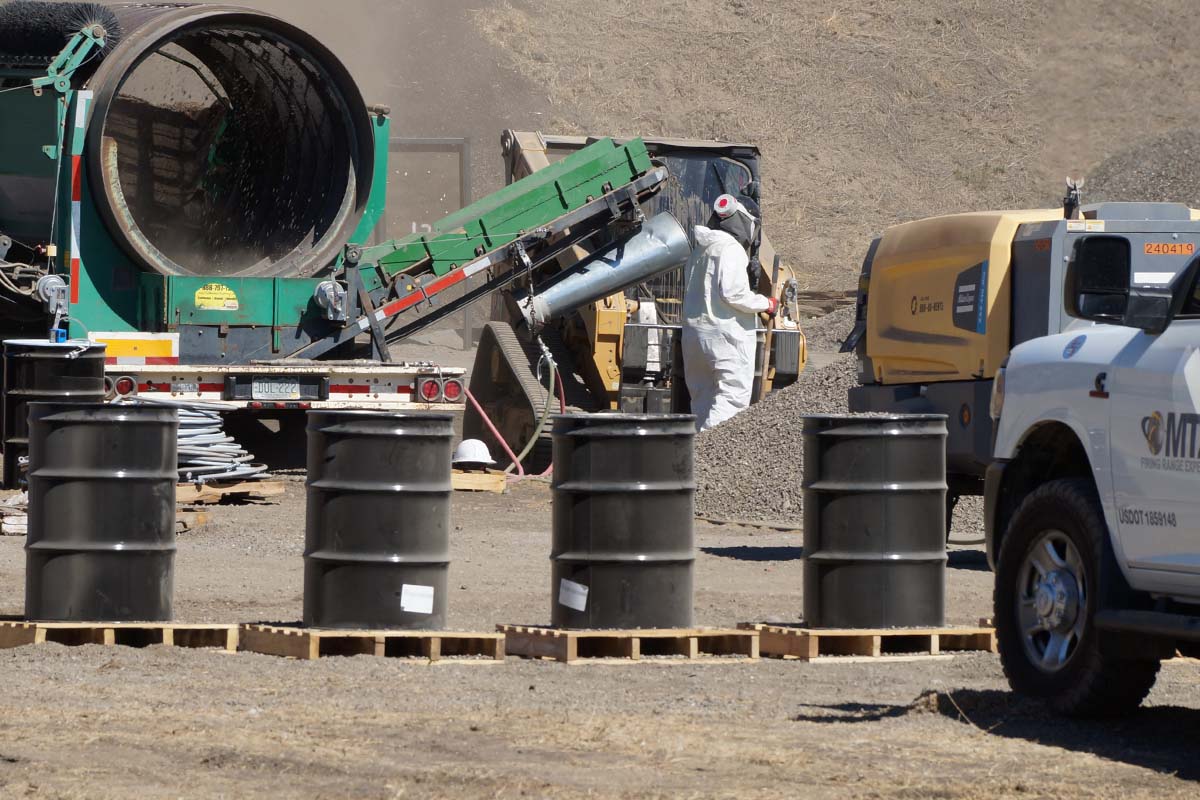
- Targeted Metals Treatment
Address Contamination at Its Source
Managing contaminated materials starts with understanding how metals behave within them. ECOBOND converts metals into less soluble mineral forms, helping reduce their potential to leach into the environment. MT2 evaluates the material and treatment requirements to develop an approach suited to your site and intended outcome.
- The ECOBOND Advantage
Treatment That Expands Your Options
Disposal isn’t always the only path forward. ECOBOND treatment can support alternative material management options, depending on testing results and project approvals. MT2 helps evaluate those options alongside your budget, schedule and environmental requirements.
Metals Stabilization
Chemically convert lead and other metals into less soluble forms. ECOBOND helps reduce leaching while supporting the management of contaminated soil, sediment and waste.
Disposal Options
Evaluate whether treatment can help qualifying materials meet non-hazardous disposal requirements. Testing establishes the results and helps guide the appropriate disposal route.
Onsite Treatment
Assess opportunities to treat affected soil at your site. Where project conditions and approvals allow, treated materials may remain onsite instead of requiring offsite disposal.
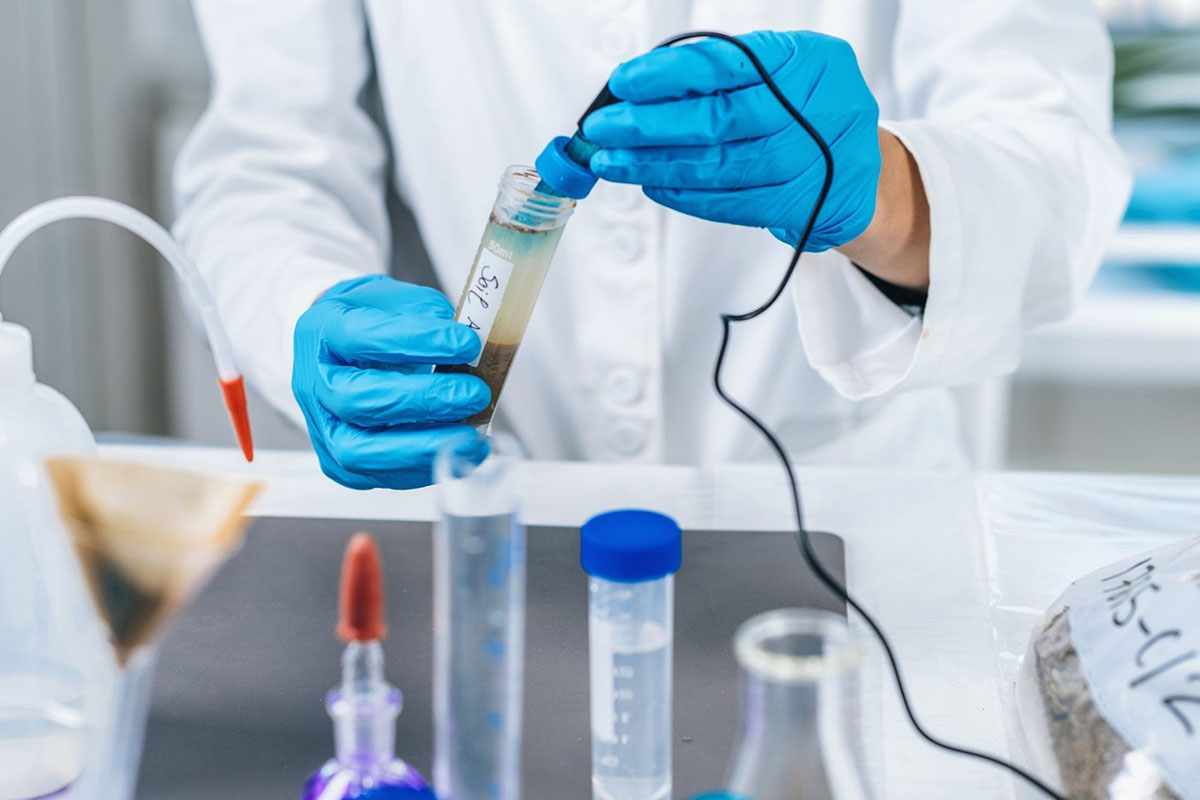
- In-House Expertise
Treatment Starts in Our Lab
MT2’s fully equipped in-house laboratory uses advanced analytical tools, including X-ray fluorescence (XRF), to evaluate contaminant concentrations and distribution in soil and waste samples. These findings help our team develop and refine ECOBOND treatment formulations around your materials and site conditions, reducing uncertainty and supporting effective, efficient treatment.
- MT2’s Nationwide Track Record
Environmental Experience Behind Every Project
Since 2000, MT2 has supported environmental and firing range projects across the country. Our teams combine treatment technology, specialized equipment and project management to address contaminated materials and coordinate the work around each client’s needs.
10M+
Tons Treated
MT2 treatment experience
2,500+
Projects Completed
Company-wide track record
25+
Years of Experience
Established in 2000
50
States Served
Nationwide project experience
- A Plan Built Around Your Materials
From Initial Samples to Verified Results
Every treatment project begins with questions about the affected material. MT2 uses characterization and laboratory studies to evaluate treatment needs and establish an ECOBOND formulation. Field application and follow-up sampling help document performance and guide the next steps for managing treated materials.
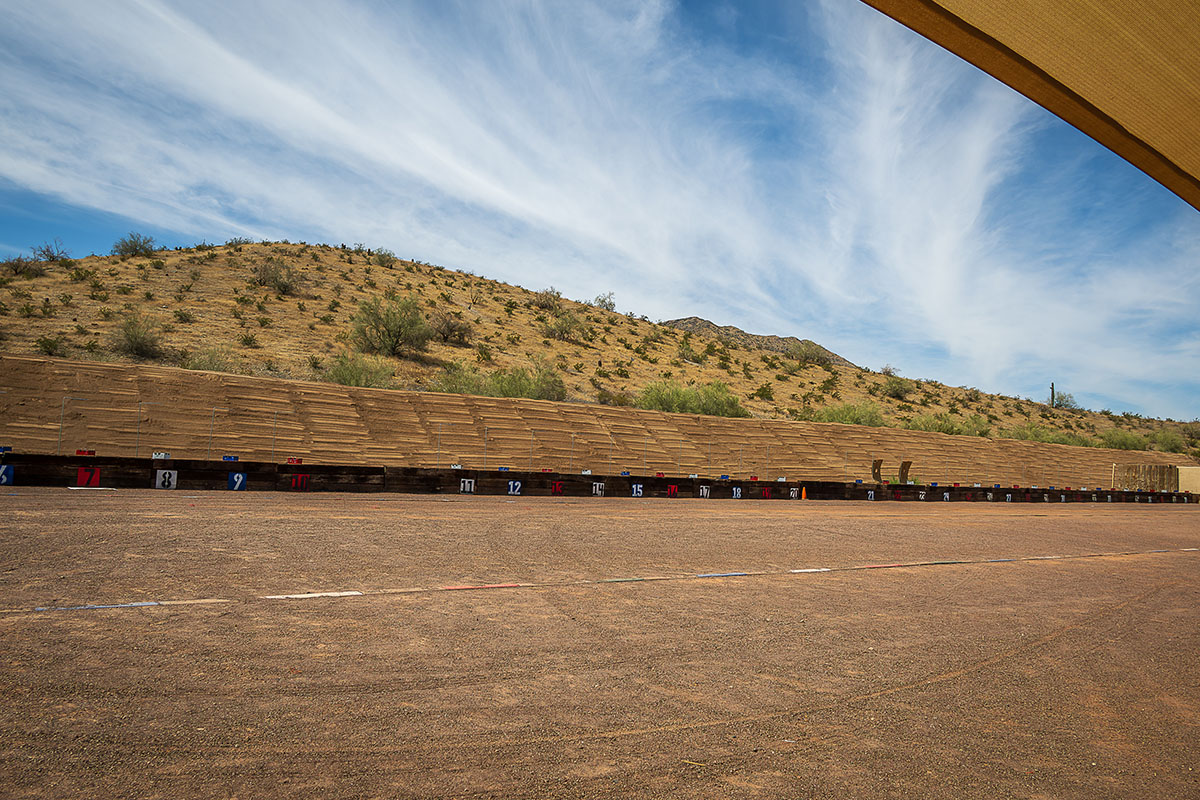
- Your ECOBOND Questions Answered
Understand Your Treatment Options
Learn how ECOBOND works, which materials it can address and what determines the right treatment approach. Explore the questions below for guidance on testing, onsite treatment, disposal considerations and starting a project with MT2.
How does ECOBOND treatment technology work?
ECOBOND stabilizes metals through chemical treatment. It converts them into less soluble mineral forms, reducing their potential to leach from affected materials into the surrounding environment.
Treatment planning considers:- The metals present
- The characteristics of the affected material
- The required treatment outcome
What materials can ECOBOND help treat?
ECOBOND can be evaluated for a variety of metals-contaminated materials. Suitability depends on the contaminants, material characteristics and intended management approach.
Potential applications include:- Soil, silt and sediment
- Process waste and sludge
- Firing range backstop materials
- Materials from industrial and former disposal sites
Which heavy metals can ECOBOND address?
The ECOBOND technology family includes treatment approaches for multiple metals. The appropriate formulation depends on which contaminants are present and how they behave in the affected material.
Metals listed among its applications include:- Lead and arsenic
- Cadmium and chromium
- Barium and mercury
- Selenium and silver
Can treated soil remain at my site?
Some projects may allow treated soil to remain onsite. MT2 evaluates this option as part of a site-specific remediation plan rather than assuming every treated material can stay in place.
Considerations include:- Site conditions and planned land use
- Treatment performance and confirmation sampling
- Applicable cleanup criteria
- Required project approvals
Can ECOBOND help lower disposal costs?
Treatment may create an opportunity to use a less costly disposal route when qualifying materials meet the applicable acceptance requirements. MT2 evaluates this possibility alongside the cost of treatment and material handling.
The comparison considers:- Material volume and characteristics
- Testing and treatment needs
- Transportation and disposal charges
- Available onsite management options
What testing happens before ECOBOND treatment?
MT2 uses material characterization and laboratory studies to understand treatment needs before field application. Representative samples help establish a formulation suited to the affected soil or waste.
Laboratory support includes:- Soil and waste characterization
- Treatability evaluation
- ECOBOND formulation development
- Field process support
How are ECOBOND treatment results checked?
Follow-up sampling and laboratory analysis help document treatment performance. MT2 evaluates the results against the objectives established for the project.
Verification may include:- Sampling of treated material
- Laboratory analysis of metals leaching
- Review against project acceptance criteria
- Documentation supporting material management decisions
How do I start an ECOBOND project?
Start by contacting MT2 with a description of the affected materials and your project goals. Our team can discuss the information needed to evaluate treatment and plan the next steps.
Helpful details include:- Project location and site use
- Material type and estimated volume
- Available laboratory reports
- Desired outcome and schedule